I. Introduction
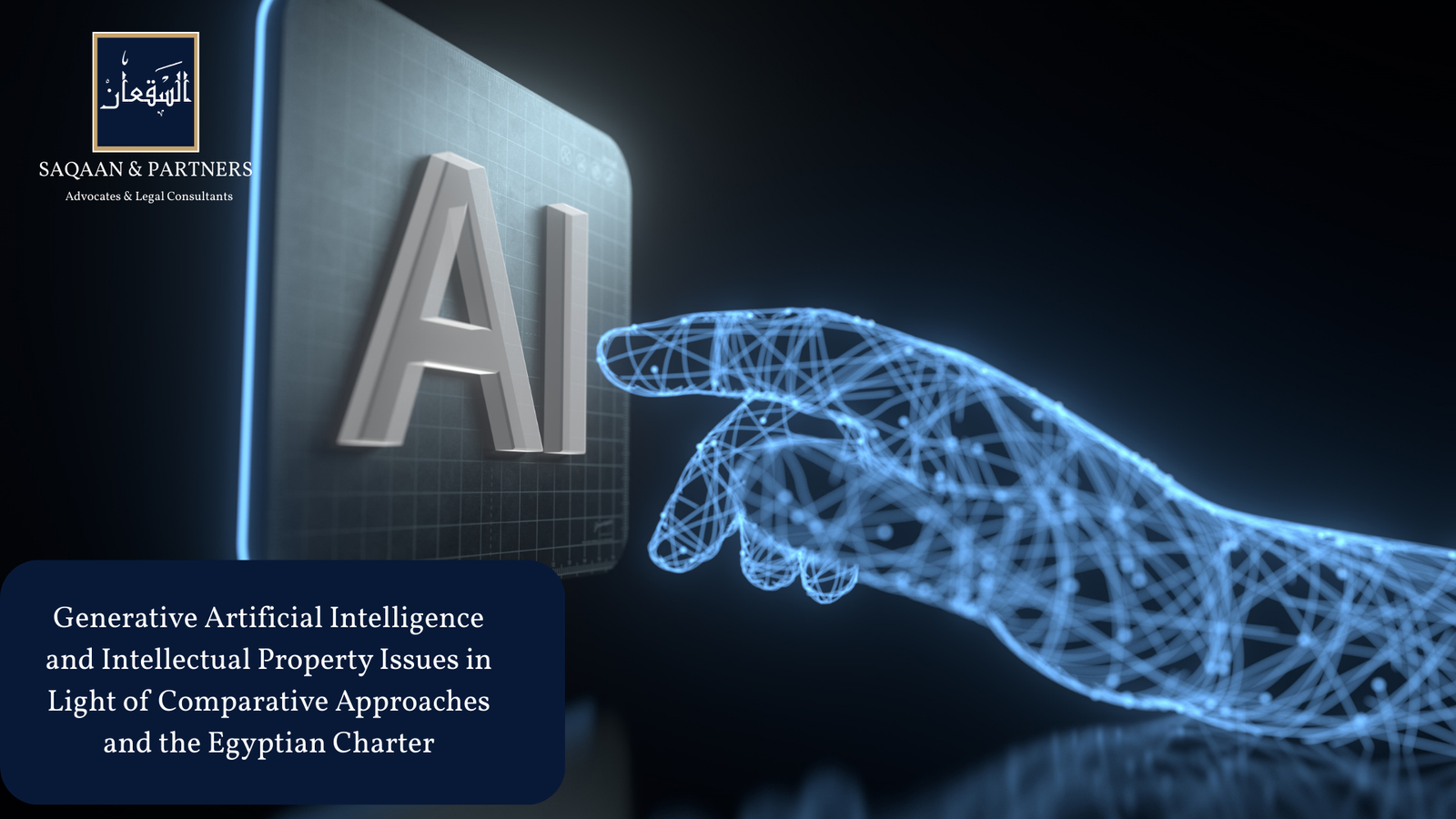
The concept of artificial intelligence (AI) emerged in the mid-20th century, specifically in 1956, yet its rapid development over the last two decades has propelled it from academic research into a central role in economic and technological arenas. AI refers to the capacity of computational systems to simulate human cognitive functions—including learning, analysis, reasoning, and decision-making—through advanced algorithms and mathematical models that enable data processing, pattern recognition, prediction, and recommendation of appropriate actions, with varying degrees of autonomy from direct human intervention.
AI represents one of the principal pillars of the Fourth Industrial Revolution, due to its direct impact on operational efficiency, productivity, service quality, and innovation across diverse sectors. Nevertheless, widespread adoption combined with amplified portrayals of AI capabilities in media and commercial narratives has generated ambiguity regarding its actual limitations, necessitating a precise legal approach grounded in objective understanding of its technological nature and boundaries.
II. AI’s Impact on Creative and Innovative Fields
AI has expanded beyond analytical and operational tasks to domains traditionally reserved for humans, such as literature, arts, music, design, and audiovisual production. Machine learning and generative models now enable the production of creative content with minimal human involvement, including texts, images, musical compositions, and videos.
Key practical examples include:
- ChatGPT and Bard, language models capable of generating literary and analytical texts.
- DALL-E and Midjourney, producing digital images from textual prompts.
- AIVA, specializing in music composition.
- Runway and Sora, for generative video content production.
This transformation raises fundamental questions regarding authenticity, the limits of human creativity, and the legal attribution of rights for outputs where human contribution is indirect or minimal.
III. Intellectual Property and Traditional Principles
Intellectual property (IP) encompasses legal rights granted to protect mental and creative outputs, whether literary and artistic works, inventions, trademarks, or industrial designs. IP protection seeks to balance the creator’s interest in exclusive exploitation for a defined period with society’s interest in knowledge dissemination and innovation encouragement.
1. Literary and Artistic Property
Copyright safeguards original works reflecting the author’s intellectual effort and distinct personality.
2. Industrial Property
Covers patents, trademarks, and industrial designs, granted to stimulate innovation and enable commercial exploitation of creations.
3. Traditional Legal Principles
IP systems rely on two fundamental assumptions:
- The existence of a natural person as the author or inventor.
- The work reflects genuine human intellectual effort.
Berne Convention for the Protection of Literary and Artistic Works embodies this approach, assuming a human author entitled to moral and economic rights over their creation.
IV. Legal Issue – Can AI Be an Author or Inventor?
Generative AI applications have introduced complex legal challenges regarding rights attribution. If a work is produced without direct human intervention, can the AI system itself be considered an author or inventor?
The prevailing stance in comparative legal systems rejects recognizing AI as an independent author or inventor, given the absence of legal personality, consciousness, and intent. In the United States, authorities require significant human creative input to grant protection.
In the realm of patents, the DABUS case has been highly controversial: several jurisdictions denied recognition of AI as an inventor, emphasizing that inventorship must be attributed to a natural person, reflecting adherence to traditional legal concepts.
Consequently, the question remains as to which party should hold rights—the system developer, the user, or the entity owning the AI infrastructure—highlighting the need for clear legislative guidance.
V. Analytical Review of the Egyptian Charter for Generative AI
As part of Egypt’s national framework for responsible use of emerging technologies, the National AI Council issued the Egyptian Charter for Generative AI, establishing guiding principles for development and use of such technologies.
1. Legal Nature of the Charter
The Charter is a non-binding normative instrument (soft law), not a formal legislative act. Its practical significance lies in its role as:
- A guide for institutional policies.
- A support mechanism for compliance with existing laws, particularly on data protection and intellectual property.
- A precursor to potential future statutory regulation.
2. Governing Principles
The Charter emphasizes:
- Transparency: Disclosing AI usage in content creation.
- Accountability: Assigning legal and ethical responsibility to developers or operators.
- Data Protection: Compliance with national data protection laws.
- Respect for IP Rights: Avoiding unauthorized use of protected works.
- Responsible Use: Preventing misleading or harmful content, or content violating societal or national values.
3. Effect on Author and Inventor Issues
The Charter does not confer authorship or inventorship on AI; legal responsibility remains with the human or legal entity overseeing development or use, aligning with international trends.
4. Practical Challenges
Implementation challenges include:
- Lack of an enforceable compliance mechanism.
- Difficulty defining the threshold of “substantial human contribution.”
- Complexity of verifying the legality of training data.
These challenges reinforce the need for a clearer legislative framework.
VI. Recommendations for Legislative Development
- Establish a sui generis rights system:
Introduce a limited-duration legal category protecting AI-generated works until the extent of human contribution is clarified. - Rights allocation based on contribution:
Implement a proportional rights system reflecting the actual creative contribution of developers, users, and other stakeholders, fostering equitable collaboration between humans and AI.
VII. Conclusion
The prevailing legal stance continues to reject recognition of AI as an independent author or inventor due to its lack of legal personality and human creativity. Nonetheless, rapid technological developments present a genuine legislative challenge: to reassess traditional concepts and balance protection of human creativity with the integration of technological innovation.
A comprehensive national legal framework, surpassing the advisory nature of the Charter, is thus essential to establish clear rules regarding human contribution, liability scope, and data usage, ensuring legal certainty while fostering a safe and balanced innovation environment.